28 August, 2026
Kurishumala Viewpoint: Sunrise, Sunset & Photography Guide (2026)
Kurishumala Viewpoint: Sunrise/Sunset Guide + Photography Tips
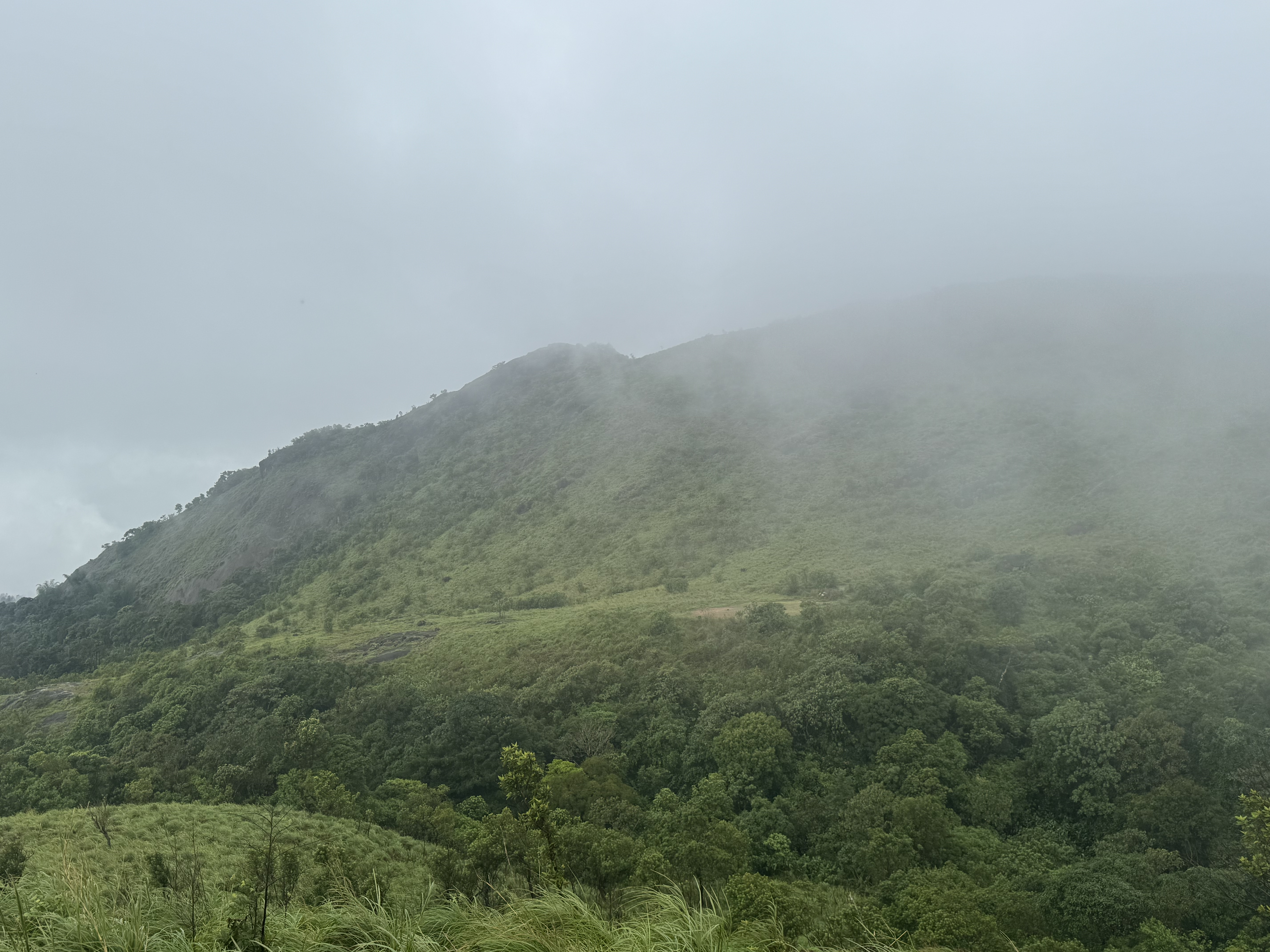
Most people who drive up to Kurishumala get one of two results. Either they catch it right and come down with the photo that made them plan the trip in the first place — 360 degrees of Western Ghats disappearing into mist, gold light cutting through the valley. Or they show up at the wrong hour, find a wall of white fog and nothing else, and leave wondering what the fuss was about.
The difference almost never comes down to luck. It comes down to timing, and nobody tells you the timing before you go.
Where you're actually going
Kurishumala sits above Nayadampoyil, about 1 km from the resort cluster around Lapace in Kakkadampoyil. The nearest railway reference point is Nilambur Road, roughly 12 km away, which tells you how deep into the hills you're driving — this isn't a roadside viewpoint, it's a proper climb.
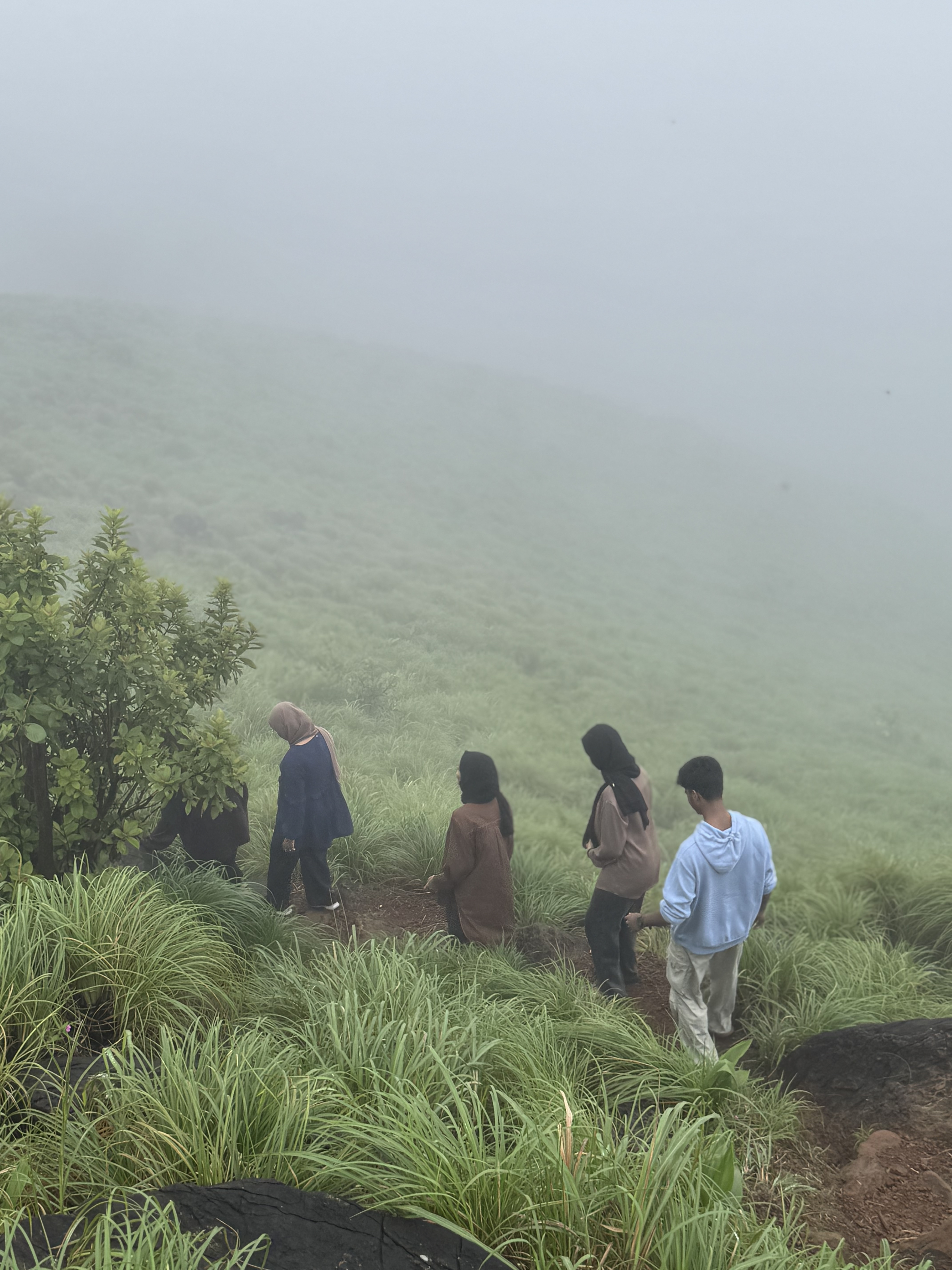
There's no entry fee, but there is a parking fee at the base. If you're not in a 4x4, park in the lower area and walk up rather than testing your car's ground clearance on the last stretch — the upper track gets steep and loose, and regular sedans routinely get stuck trying to push through. The trekking path itself is a little exposed in places, so this isn't a spot for flip-flops or a casual after-dinner stroll.
Sunrise or sunset — which one do you actually want?
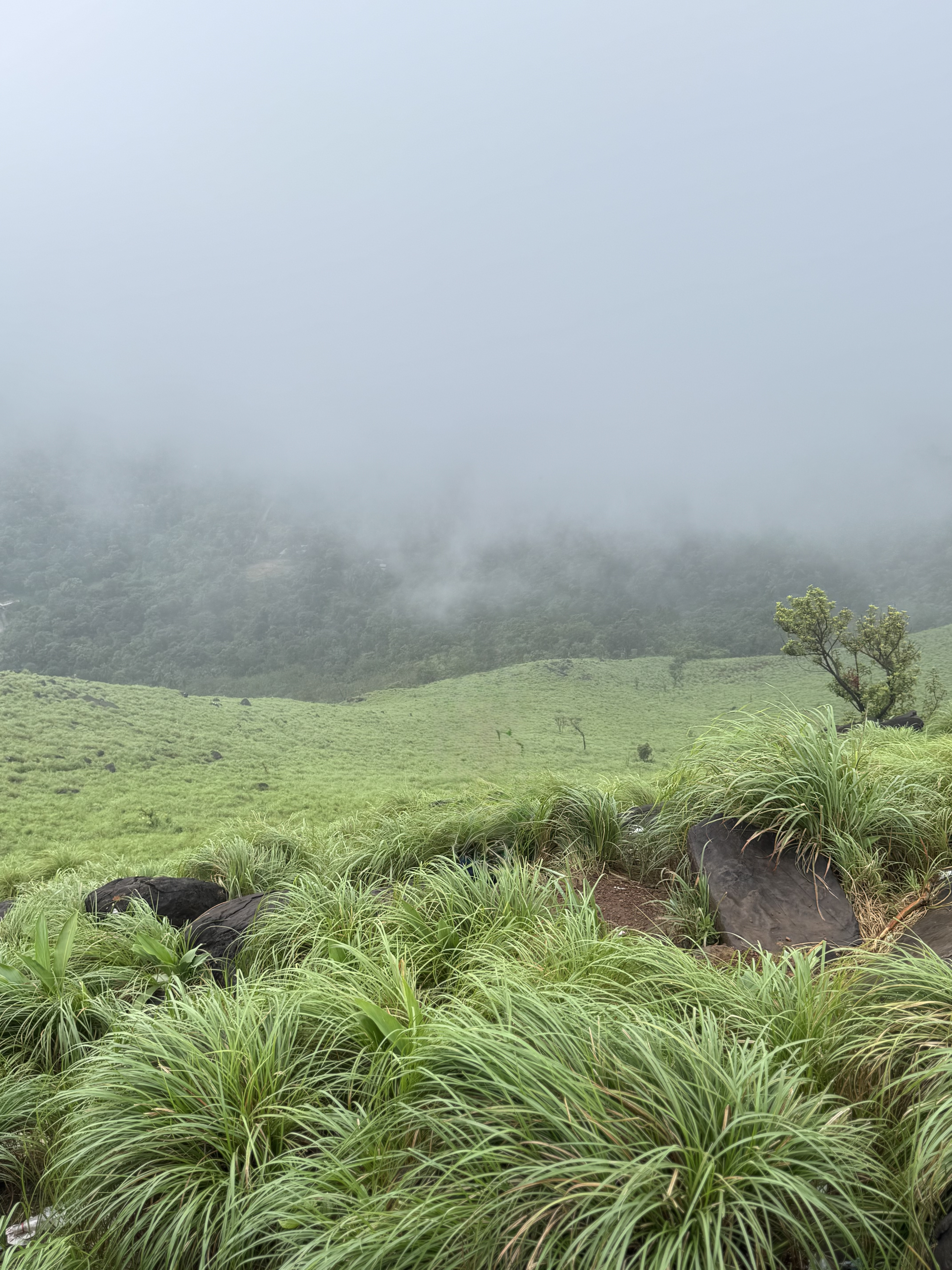
Sunrise is the photographer's choice. The mist at Kurishumala tends to be thickest and most dramatic in the early hours, before the day's heat starts breaking it up. If you want that classic shot — layers of hills poking through a sea of cloud, golden light skimming the top of the fog — you need to be at the top before the sun clears the ridgeline, which usually means leaving your resort by 5:00–5:30 AM. Give yourself at least 30–40 minutes for the drive and climb, longer if you're parking below and walking.
Sunset is the easier, more social option. You're not fighting your alarm clock, the crowd is usually livelier (this is where a lot of local groups come to "hang out," not just photograph), and the light is warmer and more forgiving even without perfect mist. What you lose is the dense fog layer — by evening it's usually thinned out or lifted entirely, so your shots trade mist-and-mystery for open valley views and color in the sky instead.
If you only have one shot at it and photography is the priority, go for sunrise. If you're bringing family or don't want a pre-dawn drive on unfamiliar roads, sunset gets you 80% of the experience for half the effort.
What to actually expect at the top
Weekends get busy, sometimes busy enough that access gets restricted if the crowd outpaces the parking. If you have flexibility, go on a weekday — you'll get more space to shoot without someone's group photo in your frame, and less waiting at the narrow points on the trail.
Carry a rain jacket or umbrella regardless of the forecast. Drizzle at the top is common even when it's dry down at the resorts, and mist here isn't just visual — it's wet. Phone batteries drain faster in the cold and damp, so keep a power bank in a dry pocket, not your camera bag's outer flap.
Photography tips that actually matter here
Bring a lens hood, seriously. Backlit mist scatters light aggressively, and without one you'll fight flare and haze in almost every frame facing the sun.
Shoot in layers, not wide. The temptation is to go ultra-wide and capture everything at once, but Kurishumala's real strength is the layered ridgelines fading into mist. A mid-range zoom (35–70mm equivalent) compresses those layers and makes the depth read clearly, where an ultra-wide flattens it into a blur of green and white.
Expose for the highlights, not the valley. Mist is bright. If you meter for the shadowed foreground, you'll blow out the sky and the fog into a featureless white. Underexpose slightly and pull shadows back in edit — you'll keep texture in the mist that a straight exposure loses.
Wipe your lens more than you think you need to. Fine mist settles on glass faster than you'll notice through the viewfinder. Check your last few frames periodically for a soft haze that isn't the weather — it's your lens.
Wait ten extra minutes. Mist here moves in waves, not a steady blanket. The best frame is rarely the first one you see — it's the one after the fog shifts and briefly reveals a gap in the ridgeline. Patience outperforms burst mode.
Protect your gear on the walk up. If you're not driving a 4x4 to the top, you're carrying your kit on a loose, occasionally steep trail. A rain cover for your bag is worth the extra 100 grams, especially on a sunrise run when visibility and footing are both worse.
A quick honesty check
Kurishumala isn't a guaranteed mist-and-magic shot every single time. Some mornings the fog burns off before you've set up your tripod. Some evenings the sky is flat and grey with nothing to photograph at all. Weather in the Western Ghats changes fast and doesn't check your itinerary first. Build in a second attempt if your trip allows it — the people who come back with the postcard shot are usually the ones who went up twice.
FAQ
Is there an entry fee for Kurishumala?
No entry fee, but there's a parking charge at the base.
Can any car reach the top?
4x4 vehicles generally manage the full climb. Regular cars should park in the lower area and walk up rather than risk getting stuck on the steeper upper stretch.
How far is Kurishumala from the resort area in Kakkadampoyil?
About 1 km from the Lapace Resort cluster, making it an easy add-on to a Kakkadampoyil stay rather than a separate day trip.
Is the trek difficult?
It's short but has some exposed, slightly risky sections — manageable for most fitness levels, but wear proper footwear, not sandals.
What time should I leave for sunrise?
Aim to leave by 5:00–5:30 AM to be in position before first light, accounting for the drive plus the walk up if you're not in a 4x4.
Looking for a place to stay? Find out the best resorts in Kakkadampoyil.
Originally published on kakkadampoyil.in